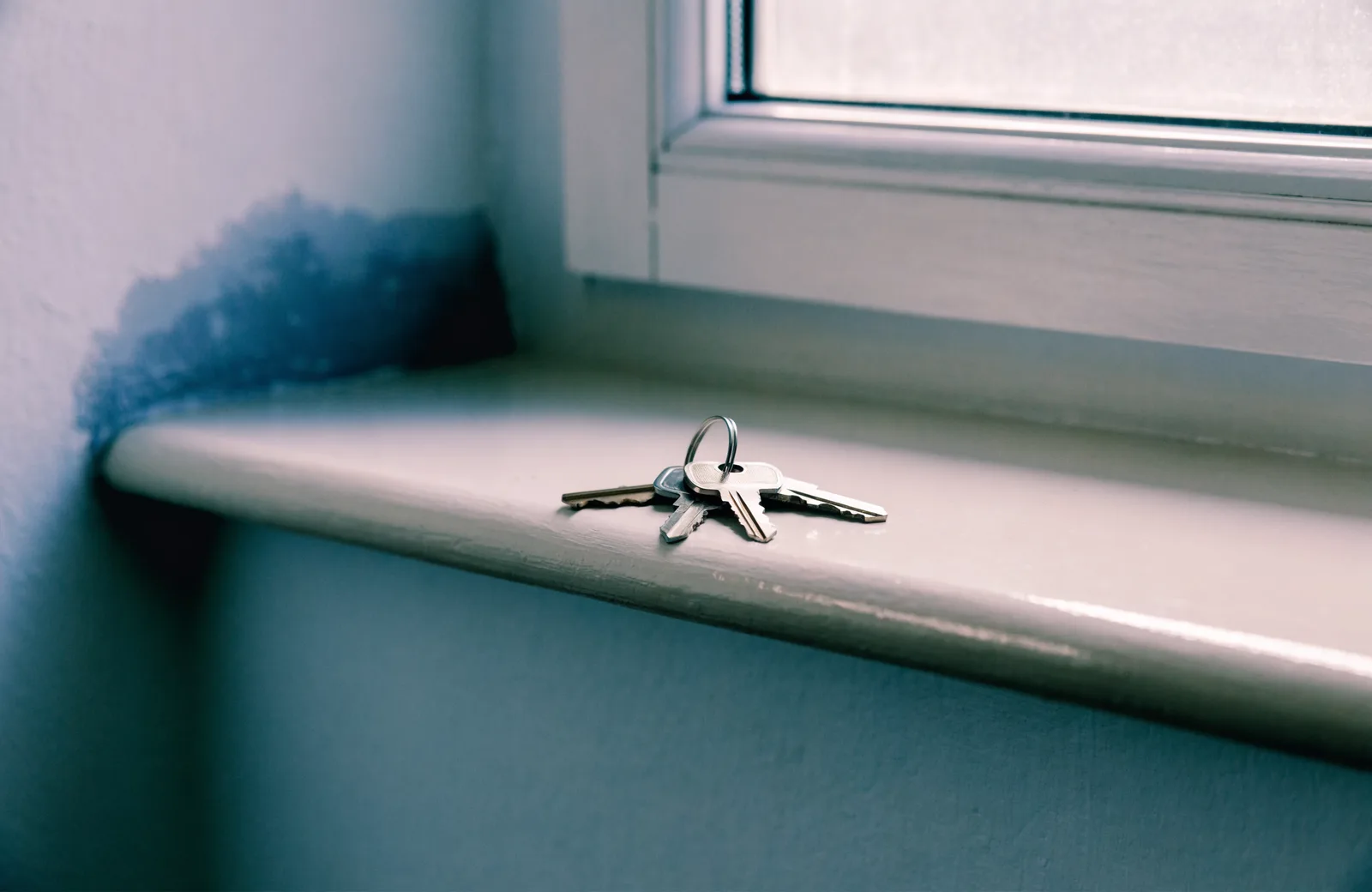
Mold is the most common tenant-landlord dispute we see, and almost every one follows the same script. The tenant photographs a black corner and asks for a repair. The landlord replies that the flat was fine for ten years and the tenant must be drying laundry indoors. Both may be sincere. The reason the argument never ends is that both are guessing about the one thing that decides it: where the water comes from.
This article is not legal advice, and the exact obligations depend on your lease and on the law. What it does describe is how to establish the facts, because every route, from a friendly conversation to a court, starts there.
The three kinds of water, and who usually owns them
- Penetrating water: rain through a roof seam, a balcony threshold, a cracked outside wall, or a neighbour's leaking bathroom. Building fabric. In the general run of leases this side of the line belongs to whoever owns the structure.
- Plumbing: a pipe inside the wall, a boiler, a toilet cistern. Usually a repair the owner is expected to make, unless the damage was caused by misuse.
- Condensation: warm, humid indoor air meeting a cold wall. This is where use matters: drying laundry indoors, showering with the door shut, never ventilating. But it is also where the building matters: an uninsulated north wall in a 1970s block will condense even in a well-run home.
Most real cases are a mix, which is why a photo of a stain settles nothing. A moisture reading inside the wall, a thermal image showing the cold or wet area, and an air sample compared with outdoors do.
What to do as a tenant
- Report it in writing, with the date and photos, the day you notice it. Keep reporting in writing.
- Do the reasonable things and note that you did: ventilate mornings, keep furniture off outside walls, use the extractor fan.
- If it persists, get an independent inspection. A report that says "moisture at 22 percent inside the wall below the balcony threshold, dry elsewhere, no condensation pattern" is a very different conversation from "there's mold".
What to do as a landlord
The same thing, from the other side. A report that shows a condensation pattern behind the wardrobe and dry structure elsewhere protects you as much as the reverse protects the tenant. Either way, the water source gets fixed, which is cheaper than a second and third round of painting.
What our report gives both sides
A mold inspection maps moisture room by room, photographs the thermal picture, and sends air and surface samples to an accredited laboratory. The report states the likely water source in plain language and separates what is structural from what is behavioural. We are not a remediation company, so the findings are not a sales pitch. Tenants and landlords in Tel Aviv and across the centre commission it jointly more often than you would think; splitting the cost of one objective report is cheaper than two lawyers. Request a quote and mention it is a rental dispute; we will write the report so it can be handed to the other side.
Discussion
▸Comment guidelines
Be respectful. Stay on topic. No marketing or self-promotion. Spam and harassment are removed.
Sign in to comment
Visitors can read the discussion. Members can join in.
Sign in to commentNo comments yet. Be the first.